
Boots for Women: How to Choose the Right Pair in South Africa
Boots for women come in more shapes than most guides admit, and the right pair depends on four things: how high the boot rises, what leather it is made from, how the sole is built, and how well it fits your foot and calf. This guide walks through each one with South African weather and everyday wear in mind, so you can choose a pair that earns its place in your wardrobe.
Written by Jano, My Vellies. Last reviewed October 2026.

The main styles of boots for women
Most women’s boots fall into one of five families. Knowing which one you are shopping for narrows the choice quickly.
Ankle boots
Ankle boots end at or just above the ankle bone. They are the most versatile family because they work with jeans, tailored trousers, skirts and dresses, and they are easy to walk in. If you are buying one pair of boots, this is usually the place to start.
Chelsea boots
Chelsea boots have elastic panels at the sides and usually a pull tab at the back, so there are no laces to manage. The style is popularly credited to Joseph Sparkes Hall, bootmaker to Queen Victoria, in the 1850s (background on Wikipedia), and it has stayed in fashion because it sits neatly under a trouser leg. A Chelsea relies on its elastic to hold your heel, so fit matters more than it does in a lace-up.
Lace-up desert and chukka-style boots
These rise just above the ankle, with two or three pairs of eyelets and a flat sole (the desert boot is the best-known version). They are the casual end of the range and the most comfortable for long days on your feet. Our own ladies’ vellie boots belong to this family and are described further down.
Knee-high and mid-calf boots
These add coverage and warmth and look dressier, but they are the hardest to fit because the shaft has to suit your calf as well as your foot. Measure the widest part of your calf and compare it with the maker’s shaft measurement before you buy.
Hiking and work boots
Stiffer, with a lugged sole and often a waterproof lining. They are the right tool for trails and building sites, and more boot than most people need for daily city wear.
Choosing the leather for your boots
The material decides how a boot looks, how it copes with weather and how long it lasts. Real leather is a natural material, and the finish matters as much as the hide.
- Smooth full-grain leather keeps the natural surface of the hide. It wipes clean, takes polish well and develops character with age.
- Suede has a soft, napped finish, usually made from the softer underside of the hide. It is breathable and comfortable but marks easily in rain, so it needs a protector spray and regular brushing.
- Nubuck is top-grain leather sanded to a fine velvety nap. It is tougher than suede but still shows water marks.
- Synthetic materials usually cost less but do not breathe the way leather does, which you will notice in a South African summer.
Getting the fit of women’s boots right
- Try or measure late in the day. Feet tend to swell a little by evening, so a boot that fits then will be comfortable all day.
- Wear the socks you will actually wear with the boots, thin or thick.
- Check the toes and the heel. Your toes should move freely without your foot sliding forward. The heel can lift slightly as you walk, but it should not slip out. In a Chelsea, the elastic should grip the ankle firmly.
- For tall boots, measure your calf. A boot that fits the foot but not the calf will never be comfortable.
Leather uppers soften and mould to the foot, so a pair that is snug but comfortable on day one usually settles in well, while a pair that already pinches rarely improves. For sizing on our own footwear, see our guide to how to size vellies.
Matching boots to South African weather
Boots do different jobs depending on where you live. Highveld summers bring heavy afternoon thunderstorms, and Highveld winter mornings are cold and dry. Cape Town winters are wet, and coastal KwaZulu-Natal is humid for much of the year. As a rule of thumb, smooth leather or suede treated with a protector spray copes best with rain, breathable leather is more comfortable than synthetic in humid heat, and suede or lined boots suit dry cold. Whatever the material, give boots a day or two to dry out between wears.
How to look after women’s boots
- Brush off dust and grit after wear, with a suede brush for suede and a soft cloth for smooth leather.
- Apply a protector spray before the first wear and again each season.
- Condition smooth leather with a cream or wax a few times a year.
- If boots get wet, let them dry naturally away from heaters and direct sun, because strong heat can crack leather. Stuffing them loosely with paper helps them keep their shape.
- Rotate between pairs so each one dries fully.
We cover leather care in more detail in how to care for leather vellies.
The boots we make
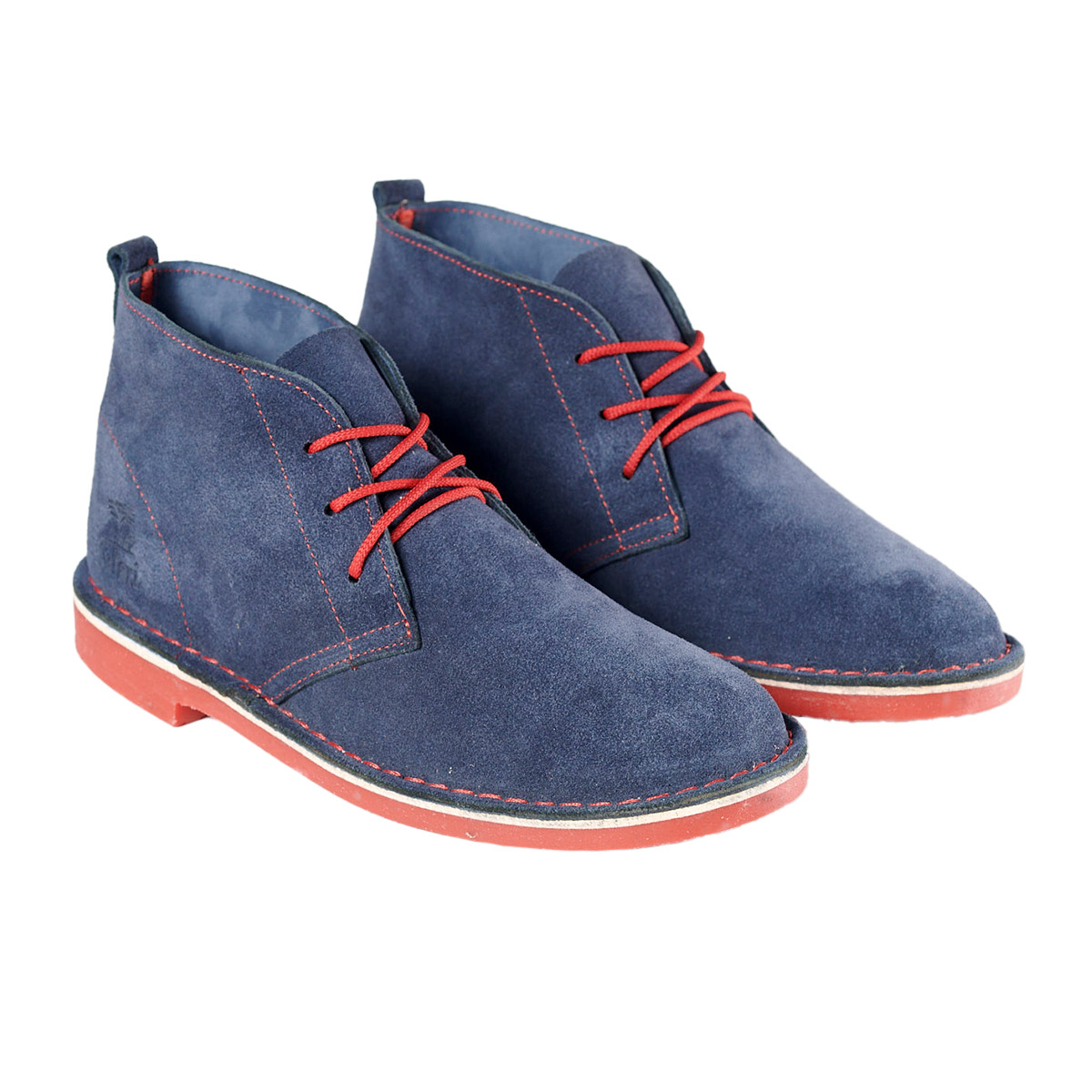
A note on what we sell, so you know where this guide is coming from. My Vellies has made veldskoen-style footwear to order in South Africa since 2019. Our ladies’ boots are ankle-height, lace-up vellie boots, hand-stitched to a flexible sole with a soft unlined leather upper that moulds to the foot over the first week. The range includes the Ladies Cedar Boot in tan leather, the Ladies Boot in navy with a red sole and the Ladies Boot in taupe, sized for women.
Every pair is made to order and dispatched by courier within 10 to 20 working days, and availability changes, so contact us before you order. If you need boots this week, a made-to-order pair is not the right choice, and a ready-to-wear boot from a retailer will serve you better. You can browse the full range under vellies for ladies.
Frequently asked questions
What are the most versatile boots for women?
A neutral ankle boot or a lace-up desert-style boot in tan, taupe or black. It works with jeans, trousers, skirts and dresses, and it suits most seasons in South Africa.
How should boots for women fit?
Your toes should move freely without your foot sliding forward, and your heel should lift only slightly when you walk. Try boots on late in the day, with the socks you will wear, and for tall boots check that the shaft fits your calf.
Is suede or smooth leather better for boots?
Smooth leather is easier to clean and copes better with rain. Suede is softer and more breathable but needs a protector spray and regular brushing. Both last well with basic care.
Can I wear ankle boots in summer?
Yes, if the upper is breathable leather or suede rather than synthetic and you wear thin or no-show socks. Heavy lined or waterproof boots are better kept for winter.
How long does a made-to-order pair of boots take?
Our boots are made to order and dispatched by courier within 10 to 20 working days. Contact us first to confirm availability.
About the author. Jano runs My Vellies, a South African footwear brand founded in Pretoria in 2019 that makes veldskoen and vellies to order. This guide reflects our product range as at October 2026. For sizing help or to ask about a made-to-order pair, contact us.