
Vellies: A Staple in Every Woman’s Wardrobe
Women’s vellies have quietly become one of the most worn shoes in South African wardrobes, and it is easy to see why. They go with almost everything, they last for years, and they get more comfortable the longer you own them. This is what to look for when buying a pair, from someone who makes them.
We have been making vellies to order in South Africa since 2019. Everything below comes from what we see come back to the workshop, what customers tell us wears well, and what does not.
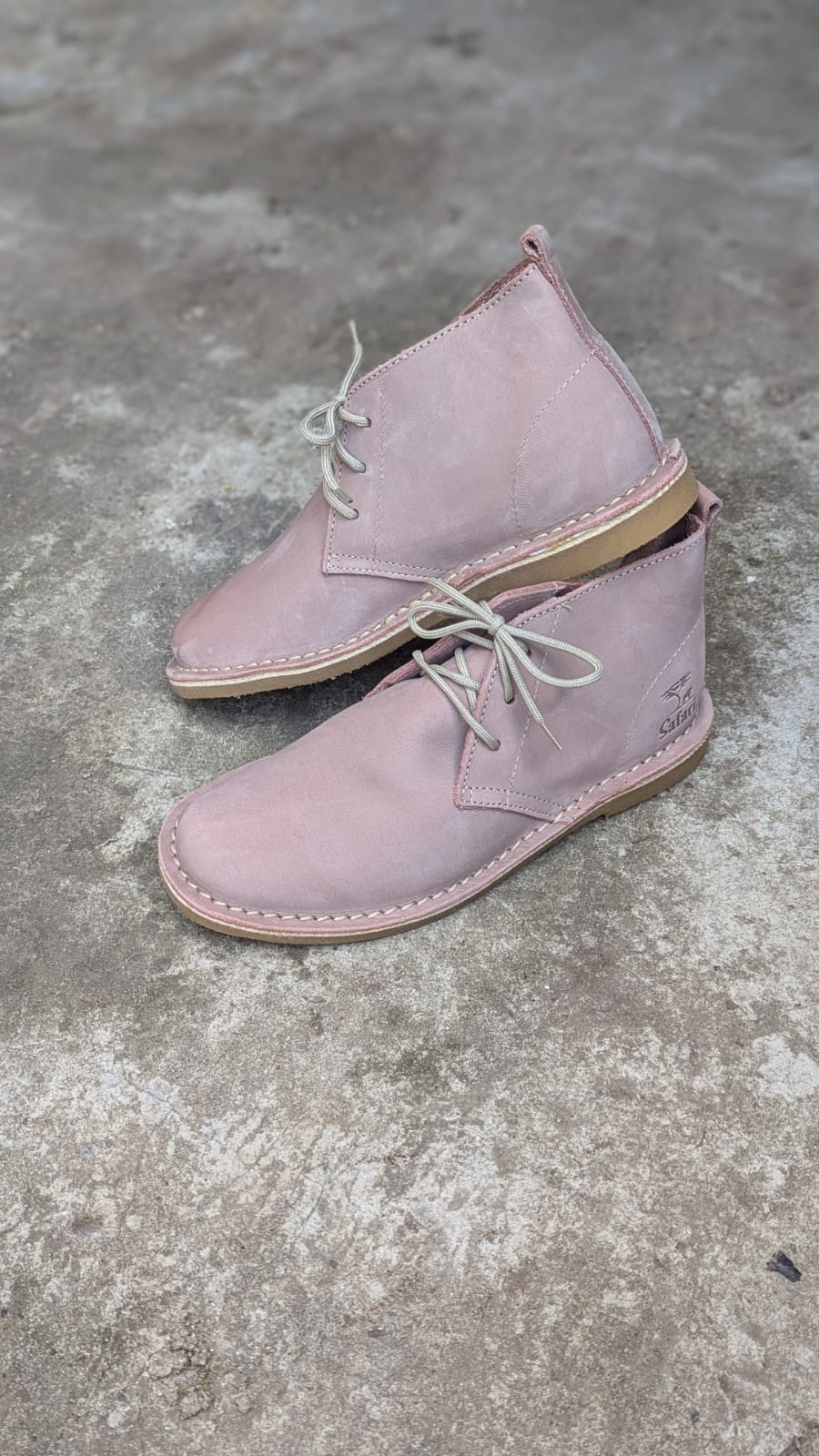
Why women choose vellies
It is rarely about looks alone. The reasons that come up again and again are:
- All-day comfort. The leather footbed breathes and takes the shape of your foot, so a worn-in pair feels better than a new one.
- They suit everything. Jeans, chinos, a work dress, a summer skirt. A tan or brown pair is close to impossible to wear wrongly.
- They last. A well-made pair, cared for, gives years rather than a season, and can usually be resoled.
- They are grounded. Flat, stable, and quiet. No heel to manage and no break-in misery.
Ladies fit or unisex fit
Our ladies vellies use a narrower last with a slightly lower profile. The unisex range sits between the men’s and ladies fit and works for a wider range of feet.
The practical rule: if you know you have a narrow foot, choose ladies. If you have a broad forefoot or a high instep, or you are simply not sure, choose unisex. Length can be adjusted around. Width cannot, and a pair that is tight across the ball of the foot when new will not improve with wear.
Choosing colour and leather
Leather type matters more than colour, because the same shade behaves differently in each.
- Full grain takes a polish, hides scuffs as it ages, and lasts longest. The default for a first pair.
- Nubuck is full grain lightly sanded to a soft finish. Tougher than suede, needs a protector spray.
- Suede is softest from day one and the most casual. Keep it out of sustained rain.
On colour, tan is the most useful in the range and the one that ages best. Brown is slightly smarter and hides marks. Mustard, olive and coloured soles work precisely because the shape underneath is so traditional.
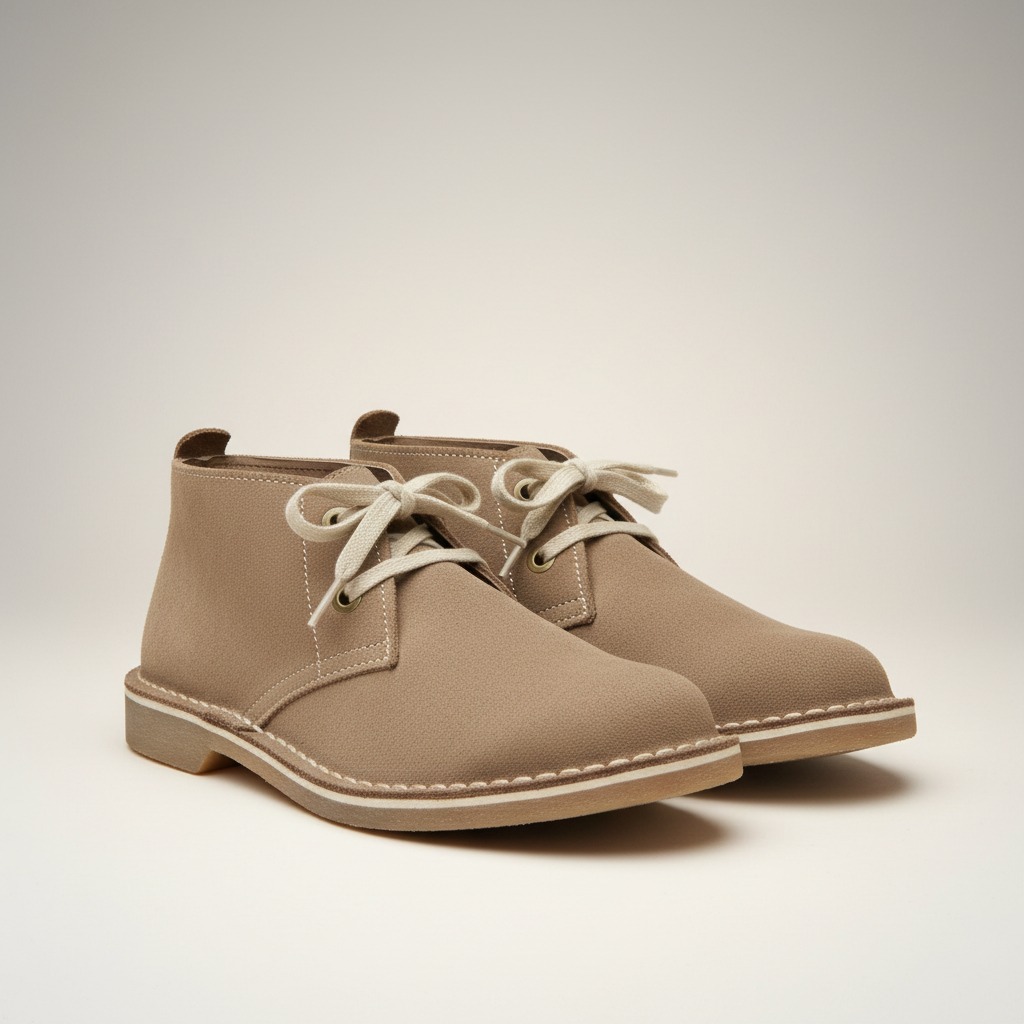
Getting the size right online
This is the one thing that stops most people ordering vellies online, and it takes two minutes to settle. Stand on a sheet of paper with your heel against a wall, mark the tip of your longest toe, and measure between the two. Do both feet, size to the larger, and if you fall between sizes take the bigger one. Our full sizing guide covers the method in detail.
If you would rather not guess, send us your heel-to-toe measurement in centimetres and we will tell you which size to order.
How vellies compare to other shoes
Sandals, sneakers and ballet flats all have their place. What sets vellies apart is the combination: the comfort of a soft leather shoe, the durability of a rubber sole, and a shape that has not needed to change in a century. They are the one pair that genuinely works at a braai, on a gravel road and in most offices.
Buying from us
Our vellies are handmade to order, so allow a few weeks for production plus courier time. Delivery is free on orders over R200, anywhere in South Africa, and we exchange sizes if the fit is wrong, provided the shoes have not been worn outside. You can read more about how we work on our about page, and the veldskoen page explains the construction all our vellies share.
Frequently asked questions
Are women’s vellies comfortable for all-day wear?
Yes, once they have worn in. A genuine leather footbed moulds to your foot over the first few weeks, so an older pair is more comfortable than a new one. The low cut and flexible sole make vellies easier on the feet through a long day than most structured shoes.
What is the difference between ladies vellies and unisex vellies?
Our ladies range uses a narrower last with a slightly lower profile. The unisex range sits between the men’s and ladies fit and suits a wider range of feet. If you have a broad forefoot, the unisex last is usually the better choice.
How do I choose the right size in women’s vellies?
Measure your foot heel to longest toe on a sheet of paper rather than guessing, and size to the larger foot. If you fall between sizes, take the larger one, because leather relaxes about half a size as it wears in and does not shrink back. Our sizing guide walks through the full method.
Can women wear vellies with dresses?
Yes, and it is a long-standing South African look. A plain structured leather shoe under a soft floral or linen dress works because of the contrast. Tan and mustard are the easiest colours for this.
How do I care for leather vellies?
Brush off dry mud rather than washing it, and feed smooth leather with a cream or wax a few times a year. Keep suede and nubuck away from cream and use a protector spray instead. Never dry a wet pair with heat, which stiffens the leather permanently.